Water Damage Restoration in Clearwater, Mainland to Beach
Clearwater water damage restoration covers two very different calls: hurricane season, when surge and wind-driven rain hit the barrier islands and low-lying mainland streets, and the rest of the year, when air-conditioning drains, water heaters and supply lines do the damage. Our crew extracts the water, dries the structure and rebuilds.
If water is still coming in, call (727) 555-0107.
Prefer to talk? (727) 555-0107
Getting started takes a minute
- 1
Tell us what happened
Call (727) 555-0107 and describe where the water came from and which rooms are affected.
- 2
Book a visit
We follow up to confirm the details and set an inspection time that works for you.
- 3
Dry-out and repairs
Water is extracted, moisture is measured and the structure is dried before repairs begin.
What Helene Showed Us
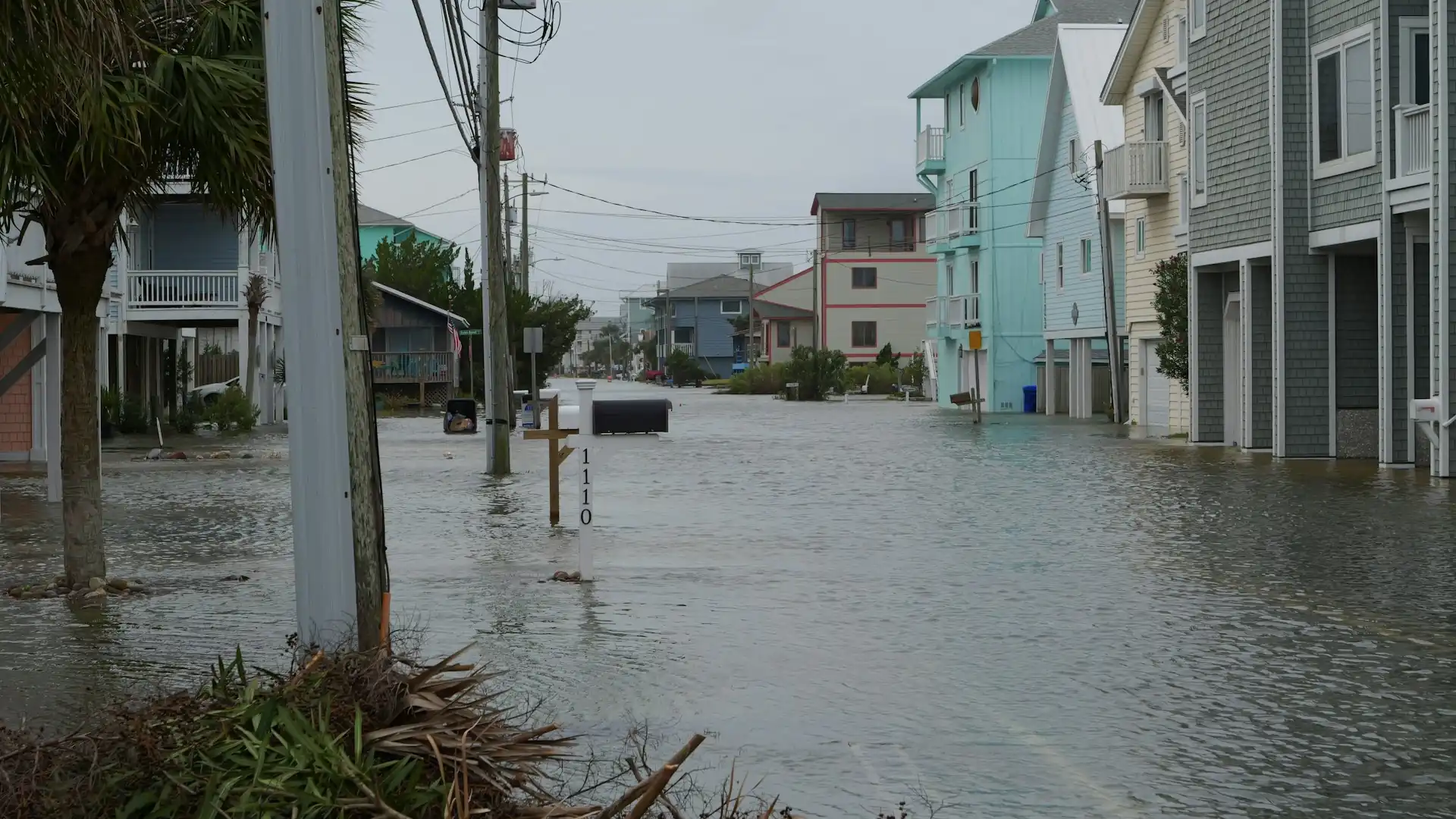
In late September 2024, Hurricane Helene passed well offshore and still pushed several feet of water over Clearwater Beach, flooding barrier-island roads, businesses and homes. City officials reported high-water rescues on both the beach and the mainland, and the bridges to the islands stayed closed until debris was cleared. Several storm-surge records fell that night. A storm doesn't need to make landfall here to put water in a living room.
The 49 Percent Rule
Before you rebuild after a big storm, know this: the City of Clearwater defines substantial damage as restoration costs equal to or greater than 49 percent of the structure's pre-damage market value, labor included. A home in the flood zone that crosses that line generally has to be brought into floodplain compliance, which can mean elevation. We give you an itemized scope early so you and the city's floodplain staff can see where your repair stands.
Wind Claim or Flood Claim?
Rain blown in through a broken window is usually a homeowners or wind claim. Surge or rising water is usually a flood-policy claim. Many hurricane losses involve both. We photograph waterlines, note which damage came from above and which came from below, and log moisture readings daily, so each adjuster has clear evidence.
Towers, Condos and Manufactured Homes
More than four in ten Clearwater housing units are in buildings of five or more units, per Census estimates, and about one in twenty is a mobile home. Condo leaks tend to cross between units and into common areas; manufactured homes need careful drying under the floor. We plan for each.
How a Job Runs
- Source stopped and power secured.
- Water extracted from floors, carpet and pad.
- Moisture mapped with meters and thermal imaging.
- Contaminated materials removed where surge or flood water reached.
- Drying, checked and logged on each visit.
- Rebuild, with permits where the city requires them.
Our Services
- Storm damage cleanup in Clearwater for wind, rain and surge.
- Emergency water extraction when the first priority is getting standing water out.
- Mold remediation in Clearwater, FL when moisture has had time to settle in.
Storm Damage
After a hurricane or a summer squall, our crew tarps, extracts and dries storm damage in Clearwater homes and condos, then documents it for every adjuster.
Learn moreWater Extraction
Standing water on tile, soaked carpet, a flooded condo hallway? Our crew pumps and extracts water from Clearwater homes fast, then sets up proper drying.
Learn moreMold Remediation
Gulf humidity, summer storms and AC drain leaks make mold common in Clearwater, FL homes. Our crew contains it, removes it and dries the moisture source.
Learn more
Clearwater Local Notes
Clearwater's Public Utilities department supplies about 60 percent of daily demand from city-owned wells in the Floridan Aquifer, treated at its own plants, including reverse-osmosis facilities, and buys the remainder from Pinellas County Utilities.
The city's housing is mostly from the 1960s through the 1990s; the Census Bureau puts the median build year at 1978, with a little over half of homes built before 1980, and about 59 percent of homes are owner-occupied. That mix spans beach condos and Island Estates canal homes, older bungalows around Morningside and Skycrest, and larger single-family homes in Countryside and Coachman Ridge.
Rainfall averages about 54 inches a year based on NOAA normals for a nearby station, with July the wettest month, so summer thunderstorms test roofs and drains well before hurricane season peaks. If your property is in a special flood hazard area, ask the city's floodplain staff about permits before repairs begin.
Frequently asked questions
Will I have to elevate my house after storm damage?
Only if it's substantially damaged under the city's definition, meaning repairs equal or exceed 49 percent of the structure's pre-damage market value, and it sits in a regulated flood zone. Our itemized scope helps the city make that call.
My condo flooded from the unit above. Who's responsible?
That depends on the cause and your association documents. We document both units separately for each insurer.
Where does Clearwater's tap water come from?
Mostly from city wells in the Floridan Aquifer, with the rest purchased from Pinellas County Utilities.